


Supply Chain Maturity Management: How to Ensure a Successful Start of Production
November 2026, Author Bernhard Kraft:A systematic approach to maturity assurance creates transparency, reduces quality risks, and supports an on-time start of production. The key is to ensure that maturity assurance does not stop at the boundaries between OEMs and Tier 1 suppliers, but is consistently implemented throughout the entire supply chain.
Maturity Assurance: A Key Success Factor for Start of Production
The VDA publication Maturity Level Assurance for New Parts has established itself as an important standard in the automotive industry for systematically ensuring the technical maturity and production readiness of new parts and components. Its objective is to identify deviations at an early stage, address risks in good time, and establish the conditions for a stable start of production. In practice, however, a recurring challenge becomes apparent: while maturity assurance is often implemented systematically between OEMs and Tier 1 suppliers, consistent control across downstream supply chain tiers is frequently lacking. Information gets lost, deadlines are not consistently cascaded, and necessary actions remain open for too long. The result: risks often become visible only when the scope for corrective action is already limited. Delays, additional coordination efforts, and start-of-production issues can be the consequences. Drawing on more than 25 years of experience in automotive quality management, the experts at qmatrix group understand how important end-to-end maturity management is for safeguarding complex supply chains.
Why Maturity Management Often Reaches Its Limits in Multi-Tier Supply Chains
Effective maturity assurance requires more than monitoring individual milestones. It depends on clear responsibilities, reliable information, and consistent action management across all suppliers involved.
In practice, six key factors frequently make end-to-end control difficult:
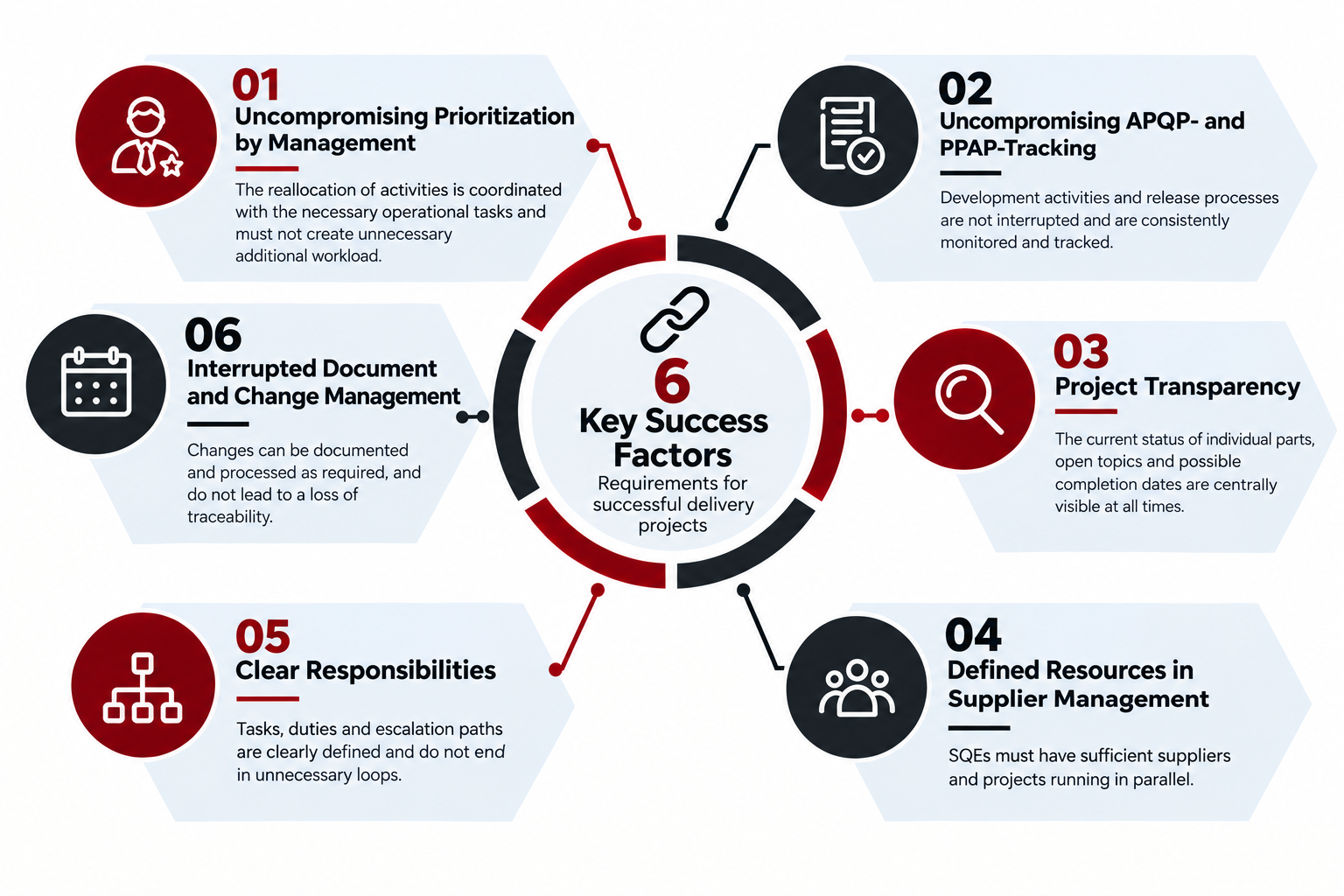
Figure 1: 6 challenges in maturity assurance
These challenges are not exclusive to the automotive industry. Other manufacturing companies with complex supplier networks can also benefit from structured maturity management, particularly when launching new products, managing demanding industrialisation projects, and sourcing critical components.
End-to-End Maturity Assurance Instead of Isolated Measures
Effective maturity management connects customer requirements with the specific tasks of individual suppliers. OEM-defined maturity milestones must therefore be systematically cascaded to downstream supply chain tiers. Required lead times, dependencies, and internal milestones must be taken into account, alongside technical evidence and outstanding quality actions.
The key is to ensure that every participant knows which task must be completed by when, who is responsible, and what consequences a delay may have for downstream processes.
This requires, in particular:
Structured planning and assignment of all relevant maturity activities.
Alignment with APQP, PPAP, and other approval processes.
Regular assessment of project and component maturity status.
Early identification of risks and critical deviations.
Consistent tracking of actions and supporting evidence.
Clearly defined escalation processes for deadline or quality issues.
Regular maturity reviews provide a reliable basis for this approach. They highlight areas requiring attention and enable project management, procurement, and quality management to take targeted corrective action before individual deviations develop into critical start-of-production issues.
How QMatrix Improves Supplier Management with Digital RGA Tracking
With its RGA Tracking Supplier Management solution, qmatrix group helps companies organise maturity assurance across their entire supply chain in a structured, transparent, and accountable manner.
The focus is on centrally coordinating maturity-related activities. OEM-defined deadlines are cascaded to the respective suppliers and supplemented with the necessary lead times. Tasks, responsibilities, deadlines, and supporting evidence can then be systematically recorded and tracked. Regular maturity reviews help assess progress, identify critical deviations at an early stage, and initiate appropriate corrective actions. The objective is not to introduce additional administrative processes. Instead, existing workflows are supported in a meaningful way, improving collaboration between OEMs, suppliers, project management, procurement, and Supplier Quality Management. The real value lies in turning individual status updates into end-to-end supply chain control.
Digital Implementation with Microsoft Power Platform
For operational implementation, QMatrix uses established Microsoft technologies. The Microsoft Power Platform enables a flexible solution that can be adapted to individual business processes and supports digital maturity management.
The solution uses:
Microsoft Power Apps: For structured task processing and the updating of tasks and status information.
Microsoft Power Automate: For automated notifications, defined workflows, and escalation support.
Microsoft Power BI: For dashboards, status overviews, and audience-specific reporting.
Microsoft Forms: For structured collection of information and feedback.
Participants can process tasks, update status information, provide supporting evidence and documents, and track outstanding actions. Relevant status changes can trigger automated notifications to the responsible project and quality managers.
Up-to-date dashboards and reports provide a shared information base for management, procurement, Supplier Quality Management and, depending on the process and access rights configuration, collaboration with OEMs and suppliers.
The digital solution therefore supports not only operational task tracking but also the overall assessment of maturity status. Those responsible can identify more quickly which suppliers are on track, where action is required, and which issues need particular attention.
What Are the Benefits of Systematic Maturity Management?
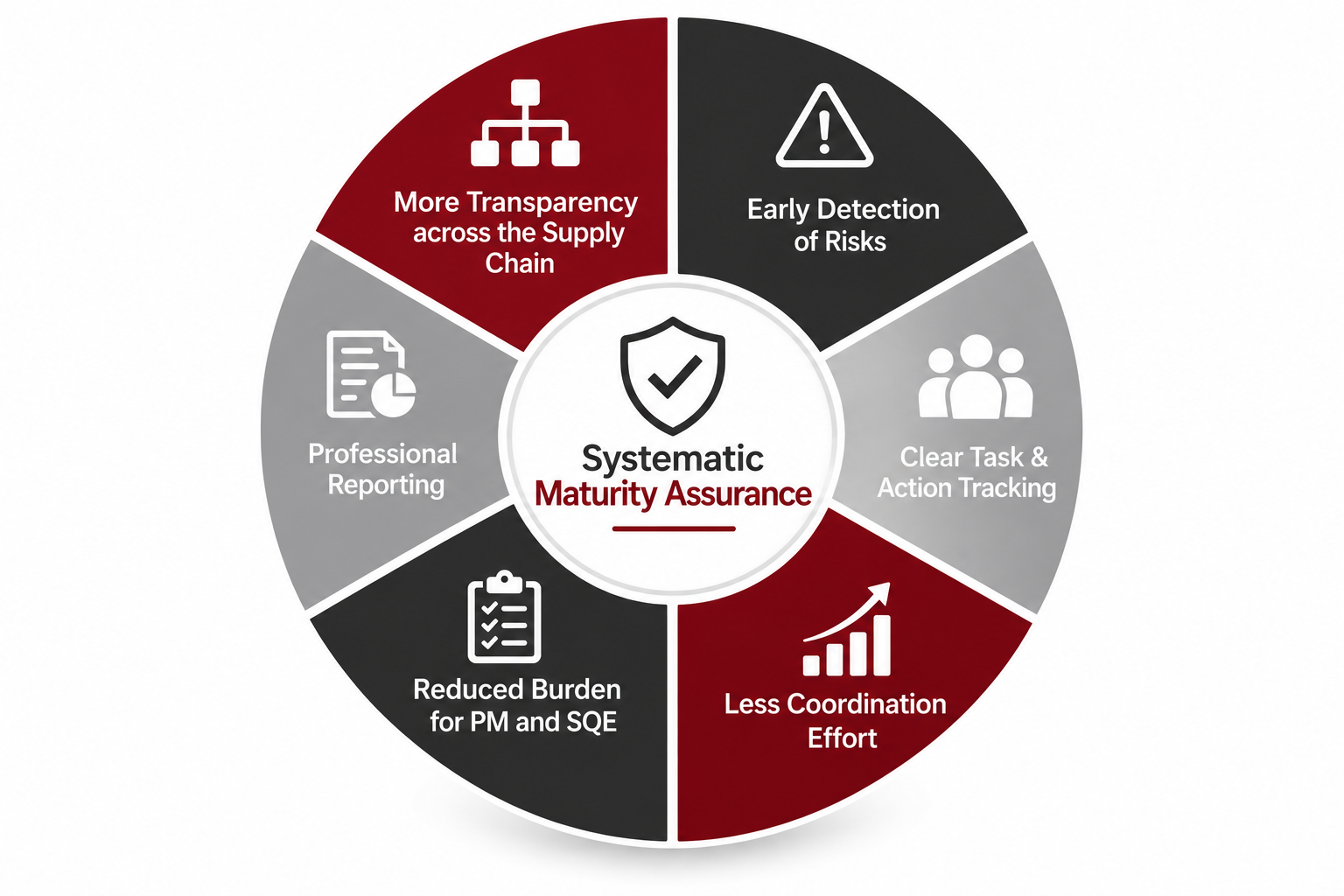
Figure 2: Benefits of Maturity Assurance
The extent of these benefits depends on factors such as the maturity of existing processes, the quality of available data, and the consistent involvement of suppliers.
Adapting Maturity Management Pragmatically to Business Needs
Not every company needs a comprehensive, complex maturity management system. The key is to implement a solution that fits the existing organisation, supply chain structure, and requirements of individual projects. The recommended first step is to analyse existing processes.
? How are maturity deadlines planned today?
? How is progress tracked for Tier 2 and Tier 3 suppliers?
? What information is available to management?
? And where do recurring delays or transparency gaps arise?
Based on this analysis, appropriate measures can be prioritised and existing workflows improved in a targeted manner. Digitalisation should support process control rather than make it unnecessarily complicated. QMatrix combines its experience in automotive quality management with a practical approach to designing and digitalising supplier processes. This creates a maturity management solution tailored to the company's actual challenges and designed for use in day-to-day operations.
Conclusion: Successful Starts of Production Begin with End-to-End Control
Effective maturity assurance does not end with the Tier 1 supplier. Only when maturity milestones, responsibilities, supporting evidence, and actions are managed transparently across the entire supply chain can risks be identified early and industrialisation projects be safeguarded proactively. With RGA Tracking Supplier Management, QMatrix helps companies plan maturity activities in a structured way, track them consistently, and evaluate them digitally. Would you like to improve your maturity management and increase transparency across your supplier processes? We support you in analysing your existing maturity assurance processes and developing a pragmatic, needs-based solution for your supply chain.
Contact our experts to discuss the possibilities of end-to-end digital maturity management.
 | Your ContactStefano Lisci CEO & Founder Phone: +49 7272 908040 Mail: info@qmatrixgroup.com
|